
Banana Bread That Is Moist but Not Gummy
Gummy banana bread is almost always underbaked, overmixed, or made with too much banana. Here is the loaf I bake most weeks, plus the three habits that keep the middle tender instead of dense and wet.
I made gummy banana bread for years before I figured out why. It was not the recipe. It was that I kept pulling the loaf out when the top looked done, and I kept mashing five bananas into a batter built for three. Banana bread that is moist but not gummy comes down to the ratio of banana to flour, how little you stir, and baking it a good ten minutes longer than feels right.
This is the loaf I make about twice a month. It is a one-bowl recipe, no mixer, and it uses the bananas that have gone black on the counter.
Prep time: 15 minutes. Bake time: 60 to 70 minutes. Total: about 1 hour 25 minutes, plus cooling. Makes: one 9×5-inch loaf, 10 slices.
Why banana bread turns gummy
Gummy is not the same as moist. A moist crumb springs back and feels tender. A gummy crumb is sticky, slightly translucent in the center, and sometimes sinks into a damp seam right under the top crust. Three things cause it.
Too much banana is the first. Banana is mostly water and sugar, and water that has nowhere to go turns into a wet, dense band in the middle. A 9×5 loaf with two cups of flour handles about 1 1/2 cups of mashed banana comfortably. Push it to two cups and you get pudding in the middle no matter how long you bake.
Overmixing is the second. Once flour meets liquid, gluten starts forming, and in a quick batter that means a tight, rubbery crumb that reads as gummy even when it is fully baked. Stir until the last streak of flour disappears and then stop. Lumps are fine.
Underbaking is the third and the most common. Banana bread browns fast because of all that sugar, so the top looks finished at 45 minutes while the center is still batter. Trust a thermometer, not the color.
What you will need
- 3 very ripe medium bananas, mashed to about 1 1/2 cups (heavily speckled or black skins)
- 2 cups all-purpose flour, spooned and leveled (240 g)
- 1 teaspoon baking soda
- 1/2 teaspoon fine salt
- 1/2 teaspoon ground cinnamon, optional
- 1/2 cup unsalted butter, melted and slightly cooled (1 stick)
- 3/4 cup packed light brown sugar
- 1/4 cup granulated sugar
- 2 large eggs, at room temperature
- 1/4 cup sour cream or plain whole-milk yogurt
- 2 teaspoons vanilla extract
- 3/4 cup chopped toasted walnuts or chocolate chips, optional
A note on the flour: scoop it straight from the bag with the measuring cup and you can pick up an extra ounce or more, which dries the loaf out and makes it crumbly instead of tender. Spoon it into the cup and sweep the top level with a knife.
Steps
- Heat the oven to 350°F (175°C) with a rack in the lower third. Grease a 9×5-inch loaf pan and line it with a strip of parchment that hangs over the two long sides.
- Whisk the flour, baking soda, salt and cinnamon together in a medium bowl. Set it aside.
- In a large bowl, mash the bananas with a fork until they are mostly smooth but still have a few small lumps. Measure them. If you have more than 1 3/4 cups, save the extra for oatmeal rather than dumping it in.
- Whisk the melted butter, brown sugar and granulated sugar into the bananas. Add the eggs one at a time, then the sour cream and vanilla. Whisk until it looks glossy and even.
- Add the dry ingredients all at once. Switch to a rubber spatula and fold just until no dry flour is visible, about 12 to 15 strokes. Fold in nuts or chocolate chips with the last couple of turns.
- Scrape the batter into the pan and smooth the top. Bake 60 to 70 minutes. Start checking at 55 minutes.
- The loaf is done when the center reads 200 to 205°F on an instant-read thermometer and a skewer pushed into the middle comes out with dry crumbs, not wet batter. If the top is dark before the center is done, tent it loosely with foil and keep baking.
- Cool in the pan for 15 minutes, then lift it out by the parchment and cool on a rack at least another hour before slicing. Cutting a hot quick bread smears the crumb and makes it look gummy even when it is not.
The thermometer is the whole trick
If you take one thing from this, make it the internal temperature. Quick breads finish between 200 and 205°F in the center. Below 195°F the starches have not fully set and the middle stays sticky. A skewer can lie to you, because it slides through a wet banana pocket or hits a melted chocolate chip and comes out looking wrong.
Push the thermometer into the thickest part of the loaf, straight down from the top, and stop about halfway to the bottom. If the number is low, give it five more minutes and check again. I have baked this loaf as long as 72 minutes in a slow oven.
Ripening bananas faster
Yellow bananas with no spots will not do it. They are starchy instead of sweet and they make a bland, pale loaf. If yours are not ready, bake them on a foil-lined sheet at 300°F (150°C) for 15 to 20 minutes, until the skins are black and shiny and the fruit is soft. Let them cool completely before mashing, since warm banana will start to cook the eggs.
Frozen bananas work beautifully and are what I use most often. Thaw them in a bowl, keep the liquid that pools out, and whisk it back into the batter. Toss the peels.
Substitutions that actually hold up
Sour cream can be swapped for an equal amount of plain yogurt, buttermilk, or even mayonnaise if that is what is open. All three add fat and acid, which keeps the crumb soft without adding more water the way extra banana would.
You can use melted coconut oil or a neutral oil instead of butter cup for cup. Oil gives a slightly moister loaf that stays soft longer, butter gives better flavor. I use butter when the bread is for company and oil when I want it to last the week.
For a whole-grain version, replace up to 1 cup of the all-purpose flour with white whole wheat. Any more and the loaf gets heavy. Do not swap in gluten-free flour blends without adding an extra egg, or the crumb will fall apart at the slices.
Skip the mashed-banana-replaces-everything shortcuts. Cutting the sugar below about 3/4 cup total changes the texture, not just the sweetness, because sugar holds onto moisture and keeps the crumb tender.
Add-ins without a soggy bottom
Chocolate chips and chopped nuts sink if the batter is thin or if you stir them in too early. Toss them with a tablespoon of the measured flour before folding them in, and add them in the last few strokes. Toast walnuts or pecans in a dry skillet for 4 to 5 minutes first; raw nuts in a wet batter go soft and taste like nothing.
Fresh blueberries or chopped fresh fruit are the one add-in I avoid here. They release water during baking right into the center of the loaf, which is the exact spot you are trying to keep from going wet.
Storage and reheating
Cool the loaf completely, then wrap it in plastic or store it cut side down in an airtight container at room temperature for up to 3 days. A paper towel laid on top under the lid catches condensation, which is what turns the crust sticky overnight.
In the refrigerator it keeps about a week but goes firm, so bring slices back to room temperature or warm them 10 to 15 seconds in the microwave. For the freezer, wrap the cooled loaf whole in plastic and then foil, or freeze individual slices separated by parchment, for up to 3 months. Slices toast straight from frozen in a toaster oven at 350°F for about 6 minutes, and that is honestly how I like it best, with cold butter on top.
Keep cookingMore bread
All bread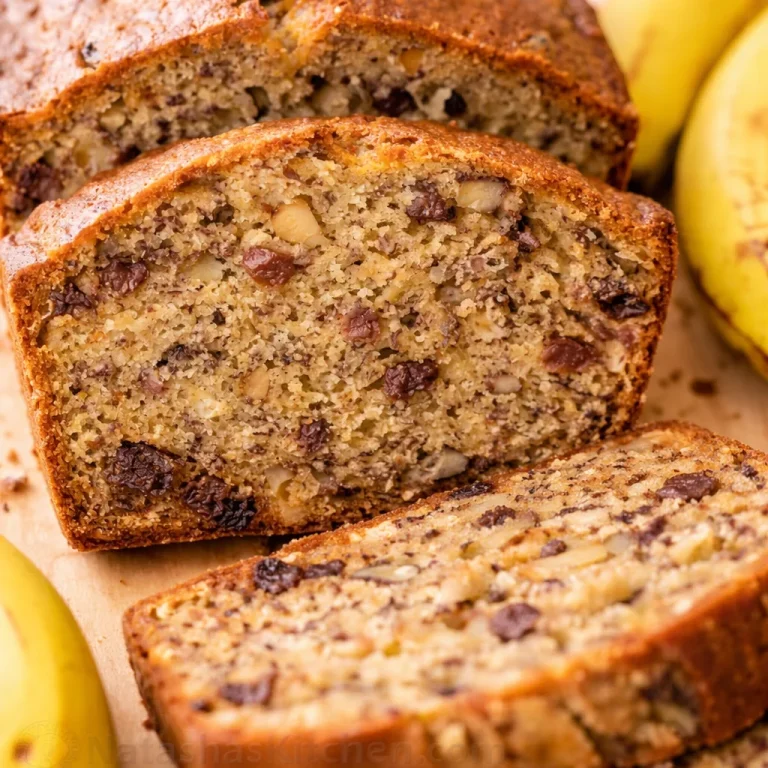 Bread
Deliciously Easy Banana Bread Recipe Moist (with Tips!)
This easy banana bread recipe uses ripe bananas to create a moist and flavorful loaf, perfect for using …
1 h 15 min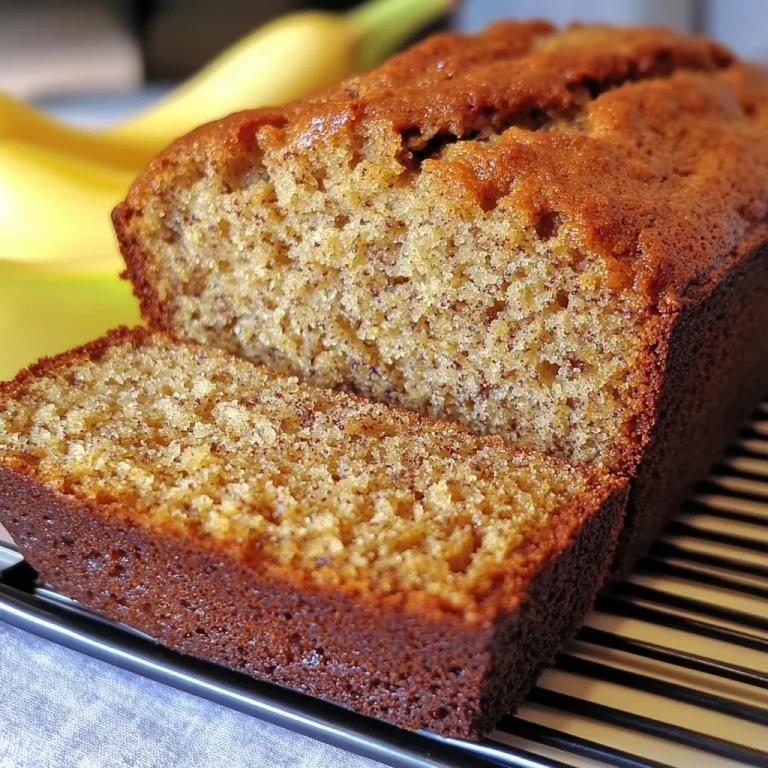 Bread
Rich Banana Bread
Classic Banana Bread 🍌🍞 (recipe below) Indulge in the sweet aroma of Classic Banana Bread—a perfect treat for …
 Bread
Classic Bread Pudding Recipe
Indulge in the comforting flavors of homemade bread pudding with this classic recipe. Made with simple ingredients like …
1 h 10 min