
Homemade Cinnamon Rolls Without an All-Day Project
Soft, gooey cinnamon rolls with one rise instead of two, using ingredients you already have. About two hours from bowl to frosting, plus an overnight option for Christmas morning.
I used to think cinnamon rolls were a Sunday-only thing, the kind of recipe that eats your whole morning while you hover over a bowl waiting for dough to do something. Then I started cutting the second rise and warming the milk properly, and the rolls came out just as soft. This version takes about two hours total, most of it hands-off, and the only unusual thing in it is a little extra yeast.
Prep time: 25 minutes · Rise and rest: 50 minutes · Bake time: 25 minutes · Total: about 1 hour 45 minutes · Makes: 12 rolls
What You’ll Need
For the dough:
- 1 cup whole milk, warmed to 110°F (43°C)
- 2¼ teaspoons instant yeast (one standard packet)
- ¼ cup granulated sugar
- 1 large egg, room temperature
- 5 tablespoons unsalted butter, melted and slightly cooled
- 1 teaspoon salt
- 3¼ to 3½ cups all-purpose flour, spooned and leveled
For the filling:
- 6 tablespoons unsalted butter, very soft (not melted)
- ¾ cup packed light brown sugar
- 1½ tablespoons ground cinnamon
- Pinch of salt
For the frosting:
- 4 ounces cream cheese, softened
- 3 tablespoons unsalted butter, softened
- 1 cup powdered sugar
- ½ teaspoon vanilla extract
- 1 to 2 tablespoons milk
Instant yeast is doing real work here. It is sold as instant, rapid-rise, or bread machine yeast, and all three behave the same way. Active dry yeast will also work, but add ten minutes to the first rise and stir it into the warm milk with a pinch of the sugar first, waiting five minutes for it to foam.
Steps
- Warm the milk to 110°F (43°C). If you do not have a thermometer, it should feel like comfortable bathwater on the inside of your wrist. Too hot kills the yeast and you will not know until nothing rises.
- In a large bowl, whisk the warm milk, yeast, and sugar. Add the egg, melted butter, and salt, then stir in 3 cups of the flour until a shaggy dough forms.
- Knead for 6 to 8 minutes by hand on a lightly floured counter, or 5 minutes in a stand mixer with the dough hook on medium-low. Add flour a tablespoon at a time only if the dough sticks to your hands in wet clumps. It should be tacky but hold its shape.
- Cover the bowl and let the dough rest in a warm spot for 20 minutes. It will puff but not double, and that is all you need.
- Mash the soft butter, brown sugar, cinnamon, and salt together into a spreadable paste while the dough rests.
- Roll the dough into a rectangle roughly 14 by 10 inches. Spread the filling all the way to three edges, leaving a half inch bare along one long side so the roll can seal.
- Roll up tightly from the long side you did cover, finishing at the bare edge. Pinch the seam closed. Cut into 12 pieces using unflavored dental floss or a very sharp serrated knife.
- Arrange the rolls cut side up in a buttered 9×13-inch pan. Cover and let rise 30 minutes, until they look visibly puffy and are touching each other. Heat the oven to 350°F (175°C) during this time.
- Bake 22 to 27 minutes, until the tops are light golden and the center roll reads 190°F (88°C) on an instant-read thermometer. Pale centers mean raw dough underneath.
- Cool 10 minutes. Beat the cream cheese and butter until smooth, add powdered sugar and vanilla, then thin with milk until it spreads. Frost while the rolls are warm but not hot.
Where These Usually Go Wrong
The filling leaks out. This happens when the butter is melted instead of soft, and it runs out of the spiral the moment the rolls hit the heat. Set the butter on the counter an hour ahead, or microwave it in 5-second bursts until it dents under your finger but still holds its shape.
The rolls are dense. Usually too much flour. Scooping the measuring cup straight into the bag can add a quarter cup you did not plan on. Spoon flour into the cup and level it with a knife, and stop adding once the dough is smooth even if you have not used the full amount.
The centers pop up like a volcano. That is a roll that was wound too loosely, or cut with a dull knife that squashed one side. Dental floss solves it: slide a length under the log, cross the ends over the top, and pull.
And the one nobody warns you about: a cold kitchen stalls the rise completely. In winter I turn the oven on to its lowest setting for two minutes, turn it off, and let the rolls rise in there with the door shut. Check that it is warm, not hot, before the dough goes in.
Swaps That Actually Work
No whole milk? Two percent is fine. Skim makes a slightly drier roll, so add an extra tablespoon of melted butter if that is all you have. Buttermilk works too and gives a faint tang.
No cream cheese? Mix 1 cup powdered sugar with 2 tablespoons milk and ½ teaspoon vanilla for a plain glaze. It soaks in more than cream cheese frosting does, so go a little heavier.
Bread flour instead of all-purpose gives a chewier, taller roll. I prefer all-purpose here because the softer crumb is the whole point, but use what is in the pantry.
For a caramel bottom, scatter 3 tablespoons of butter cut into bits and ¼ cup brown sugar in the pan before the rolls go in, then invert the whole pan onto a platter five minutes after baking. Skip the frosting if you do this, or it gets cloying.
A half cup of chopped toasted pecans or raisins goes over the filling before you roll. Add them after the butter mixture, not mixed into it, or they tear the dough.
Making Them the Night Before
This is the version I use on Christmas morning. Assemble through step 8, but instead of letting the rolls rise on the counter, cover the pan tightly with plastic wrap and refrigerate for 8 to 14 hours. The cold slows the yeast down without stopping it.
In the morning, pull the pan out and let it sit on the counter for 45 minutes to an hour while the oven heats. The rolls need to lose their chill and finish puffing before they bake. If you skip this and bake them straight from the fridge, the outsides brown before the centers set, and you will add 8 to 10 minutes while the tops go too dark.
You can also freeze unbaked rolls. Assemble, cover the pan in plastic and then foil, and freeze up to one month. Thaw overnight in the refrigerator, then do the same counter rest in the morning.
Storing and Reheating
Frosted rolls keep at room temperature, covered, for 2 days. Because of the cream cheese frosting, move them to the refrigerator after that and use within 5 days total. Unfrosted rolls hold a little better and stay soft for 3 days on the counter.
Reheat a single roll in the microwave for 15 to 20 seconds. Longer than that and the sugar gets hot enough to burn your mouth while the dough turns rubbery. For a whole pan, cover with foil and warm at 300°F (150°C) for 12 to 15 minutes.
Baked rolls freeze well for up to 3 months. Freeze them unfrosted on a sheet pan until firm, then bag them. Thaw at room temperature for a couple of hours, warm them, and frost after reheating so the topping stays glossy instead of weeping.
Keep cookingMore breakfast
All breakfastFreezer Breakfast Burritos That Reheat Without Sogginess
A batch of twelve freezer breakfast burritos takes about an hour on a Sunday and gives you three …
1 h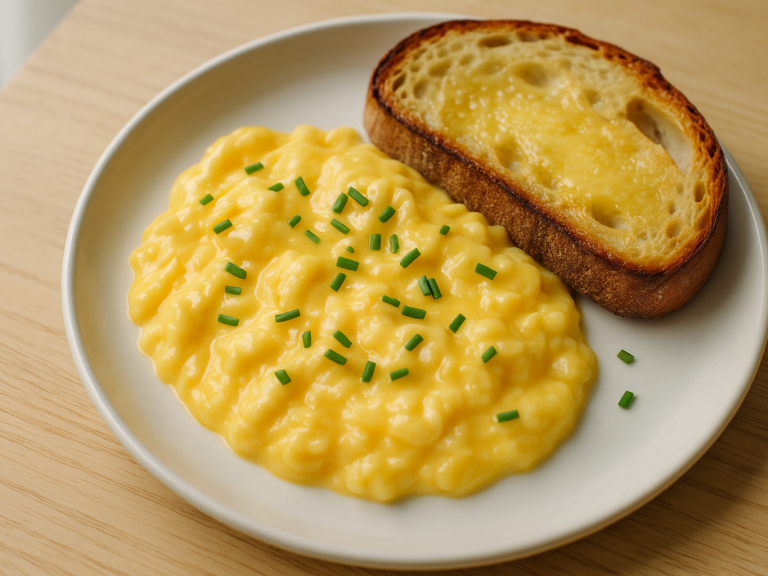 Breakfast
Fluffy Scrambled Eggs: The Small Changes That Fix Them
I made rubbery scrambled eggs for years before I figured out it was never the eggs, it was …
9 min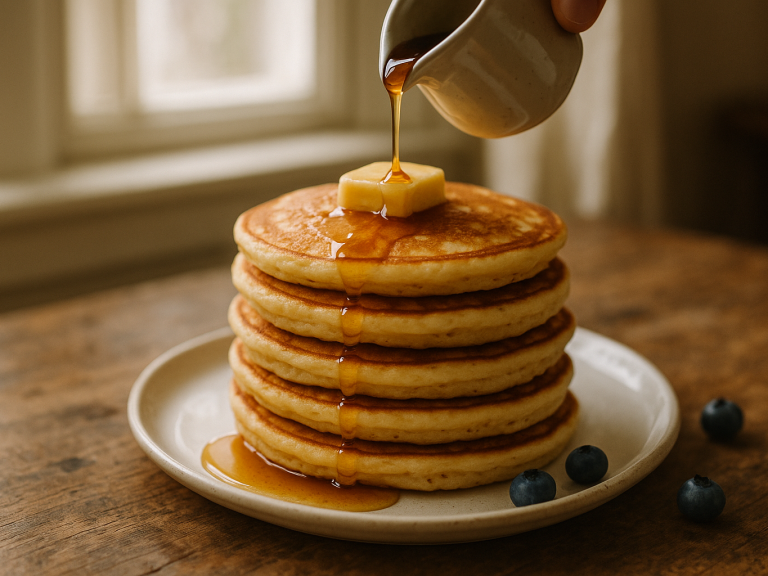 Breakfast
Buttermilk Pancakes From Scratch That Actually Rise
My go-to buttermilk pancakes, plus the reason real buttermilk makes a taller, softer stack than milk and vinegar …
25 min