
Freezer Breakfast Burritos That Reheat Without Sogginess
A batch of twelve freezer breakfast burritos takes about an hour on a Sunday and gives you three weeks of hot breakfasts you can eat with one hand.
I make twelve of these on a Sunday afternoon and they get me through three weeks of mornings where nobody has time to stand at the stove. The trick isn’t the filling, it’s how you cook the eggs and how you wrap them. Get those two things right and the burrito you pull out of the freezer on a Thursday tastes like you made it that morning.
Prep time: 20 minutes. Cook time: 30 minutes. Total time: about 1 hour including cooling and wrapping. Makes: 12 burritos.
What You’ll Need
- 12 burrito-size flour tortillas, 10 inches (the flexible kind, not the stiff ones)
- 1 pound bulk breakfast sausage, or 1 pound ground beef, or 12 ounces bacon
- 16 large eggs
- 1/4 cup whole milk or half-and-half
- 1 teaspoon kosher salt
- 1/2 teaspoon black pepper
- 2 tablespoons butter
- 1 pound frozen shredded hash browns (about 4 cups), thawed and patted dry
- 1 medium yellow onion, diced small
- 1 red bell pepper, diced small
- 1 teaspoon garlic powder
- 1/2 teaspoon smoked paprika
- 3 cups shredded sharp cheddar or a Mexican blend (about 12 ounces)
- Neutral oil for the skillet
- 12 sheets of foil or parchment, about 12 inches square
Skip the salsa, the fresh tomato and the sour cream inside the burrito. Anything watery turns the tortilla to paste in the freezer. Those go on top after reheating.
How I Make Them
- Cook the meat first. Brown the sausage or ground beef in a large skillet over medium-high, breaking it up, until no pink remains and the center reads 160°F. Bacon goes on a sheet pan at 400°F (205°C) for 15 to 18 minutes, then gets chopped. Drain the fat but leave about a tablespoon in the pan.
- Crisp the potatoes and vegetables. In that same skillet, add a tablespoon of oil, then the hash browns, onion and bell pepper. Press them into an even layer and leave them alone for 4 to 5 minutes before stirring. You want brown edges, not steamed mush. Season with the garlic powder, smoked paprika and a pinch of salt. Total time here is 10 to 12 minutes. Scrape it all into a big bowl.
- Scramble the eggs soft. Whisk the eggs with the milk, salt and pepper. Melt the butter in a nonstick skillet over medium-low, pour in the eggs, and push them around slowly with a rubber spatula. Pull them off the heat while they still look a little wet and glossy. They will cook more in the pan, and they will cook again in the microwave. Overcooked eggs come out of the freezer rubbery and weeping.
- Cool everything completely. Spread the fillings on a sheet pan and give them 20 minutes on the counter. Warm filling steams inside the wrap, and that steam is what makes a soggy tortilla. This is the step people skip and then wonder why their burritos are wet.
- Warm the tortillas. Stack them, wrap in a damp paper towel, microwave 30 seconds. Cold tortillas crack along the fold and the burrito leaks.
- Build. Cheese first, in a stripe down the middle, leaving 2 inches bare at each end. Then eggs, then the potato mixture, then meat. The cheese on the bottom acts as a layer between the damp filling and the tortilla. Use about 3/4 cup of total filling per burrito. Resist stuffing them, an overfilled burrito splits.
- Roll it tight. Fold in the two short sides, then bring the near edge up over the filling, tuck it back toward you to pull everything snug, and roll forward. Set it seam side down.
- Wrap and freeze. Roll each burrito in foil or parchment, seam side down. Lay them on a sheet pan and freeze solid for 2 hours, then move them into a zip-top freezer bag. Press the air out. Freezing them flat first keeps them from fusing into one block.
Reheating, With Actual Times
Take the foil off before the microwave. Foil does not go in there, and the parchment is fine but I unwrap it anyway so steam can escape.
From frozen in the microwave: wrap the burrito in a slightly damp paper towel, microwave 1 minute, flip it, then 1 to 1 1/2 minutes more. It should be hot through the thickest part. If the center is still cold, go in 30-second bursts. Microwaves vary more than any other appliance in your kitchen, so the first one is your calibration burrito.
In the air fryer: 350°F (175°C) for 10 to 12 minutes from frozen, flipping halfway. This is the one I actually recommend. The outside gets crisp and blistered and the inside steams. If the exterior is browning faster than the center is thawing, drop to 325°F (165°C) and add a few minutes.
Oven, if you’re heating several at once: keep them in the foil, 350°F (175°C) for 35 to 40 minutes from frozen. Open the foil for the last 5 minutes if you want a crisp edge.
For the best texture, move a burrito from the freezer to the fridge the night before. Thawed, it needs about 60 to 90 seconds in the microwave or 6 minutes in the air fryer. A thawed burrito should be eaten within 24 hours.
Swaps That Work
Chorizo instead of breakfast sausage is the best upgrade here, though drain it well because it renders a lot of orange fat. Black beans, rinsed and dried on a paper towel, replace the meat cleanly and hold up better in the freezer than most vegetarian fillings. Diced green chiles from a can add real flavor without adding water, as long as you drain them.
For the tortillas, 10-inch is the size I buy. The 12-inch burrito-style ones make a burrito too big to reheat evenly in the center, and 8-inch tortillas hold so little that the rolling gets fussy. If your tortillas tear no matter what, they’re too cold or too old. Fresh, room-temperature tortillas fold without protest.
Cheese matters more than you’d think. Pre-shredded cheese is coated in starch to keep it from clumping, and that starch helps here, it absorbs a little moisture. Fresh-grated cheese melts better but makes a wetter burrito. I use pre-shredded for freezer batches and don’t feel bad about it.
Where These Go Wrong
Soggy bottom is almost always warm filling, wrapped too soon. The second cause is wet ingredients: fresh salsa, raw tomato, canned beans that weren’t drained, hash browns that went in still damp. Squeeze thawed hash browns in a clean kitchen towel before they hit the pan.
Rubbery eggs come from cooking them all the way through at the stove. Think of the scramble as 80 percent done when it leaves the skillet.
A burrito that’s hot on the ends and cold in the middle was overfilled, or it went into the microwave at full power the whole time. Try 50 percent power for the first two minutes, then full power for the last 30 seconds. The lower power lets heat travel inward instead of just cooking the outside.
Freezer burn shows up as pale dry patches on the tortilla. That’s air contact. Foil pressed tight against the surface, then a freezer bag with the air squeezed out, solves it.
Storage
Wrapped and bagged, these keep 3 months in the freezer with good texture. They’re safe longer, but after about month three the tortillas start to toughen and the eggs get grainy. I write the date on the bag with a marker because I will not remember.
Made and not frozen, they keep 4 days in the fridge, wrapped individually. Cooked filling on its own, stored in a sealed container, lasts 4 days refrigerated, so you can cook the filling one night and roll the burritos the next.
One thing I don’t do: refreeze a burrito that’s been fully thawed and reheated. The egg texture falls apart and you’re eating something sad. If you’ve pulled too many out of the freezer, wrap the extras and keep them in the fridge, then eat them within a day.
Keep cookingMore breakfast
All breakfast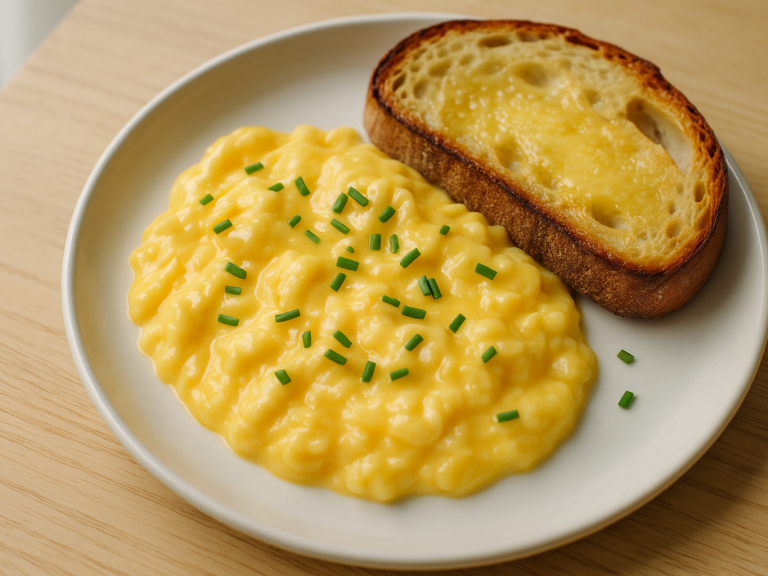 Breakfast
Fluffy Scrambled Eggs: The Small Changes That Fix Them
I made rubbery scrambled eggs for years before I figured out it was never the eggs, it was …
9 min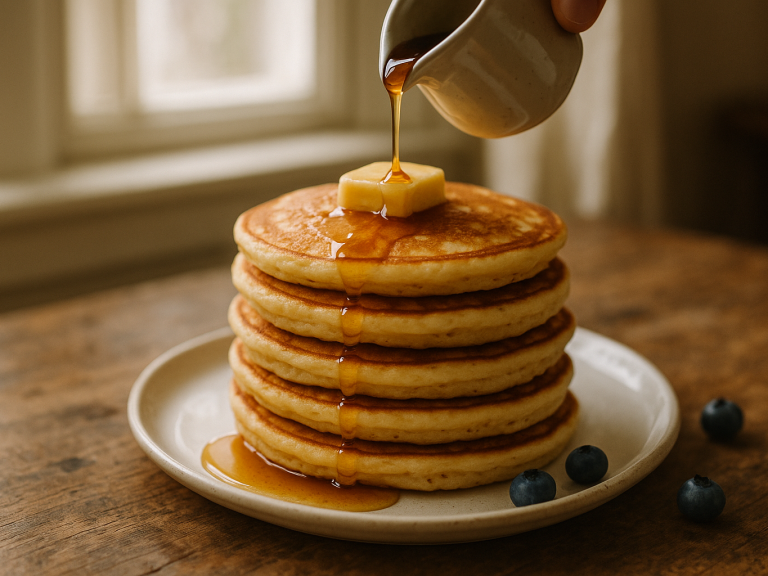 Breakfast
Buttermilk Pancakes From Scratch That Actually Rise
My go-to buttermilk pancakes, plus the reason real buttermilk makes a taller, softer stack than milk and vinegar …
25 min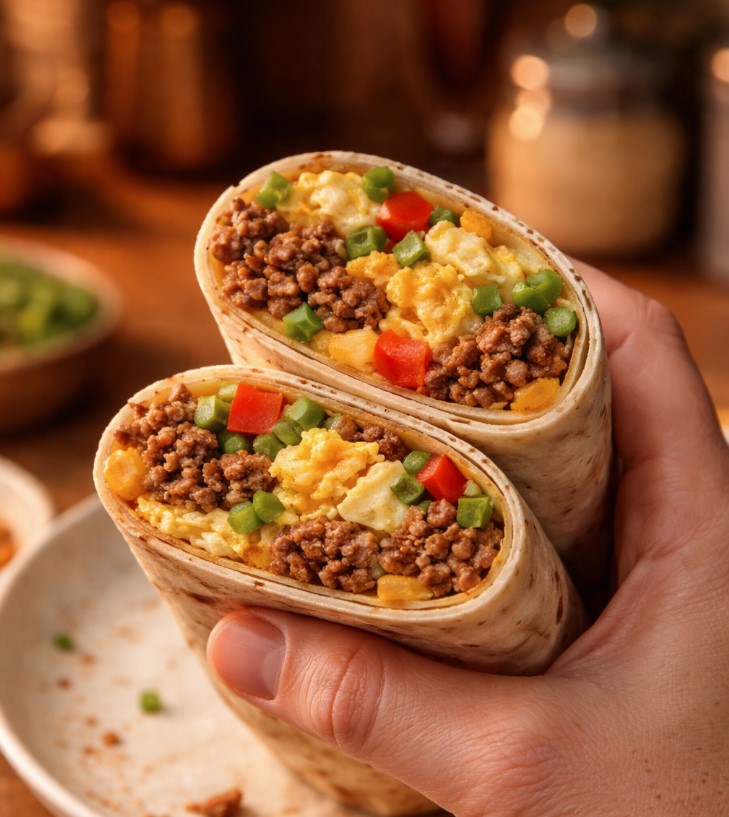 Breakfast
10 Tasty High Protein Breakfast Ideas for Meal Prep You’ll Love
A collection of ten high-protein breakfast ideas that are meal prep friendly, ensuring you start your day with …
50 min